
Pontarddulais Primary School
Safeguarding
The safeguarding lead in school is the Headteacher, Mr G Davies.
The Chair of Govs is Mr Anthony Mathias.
Parents Helpsheet
- Home Learning Activity packs for children aged 4-5
- Home Learning Activity packs for children aged 5-7
- Home learning Activity packs for children aged 8-10
E-Safety
Here is some general advice to help children stay safe online:
Use and follow the advice that you have been given in school.
Remember:
- Some social networking sites have a minimum age of 13 years (click here to find out more)
- Only use adult moderated networking sites.
- Do not stay in a chat room if anyone says anything that makes you feel uncomfortable or worried. Tell a parent/adult immediately.
- Be a critical user by considering “is this information true?”
- Tell a parent/adult if you receive a message that is scary, threatening or rude, do not respond to the message – log off.
- Do not send anyone your photograph.
- Never meet up with someone you have met on the internet without your parents’ permission.
- Never give out your password to others.
- Don’t be tempted to send or follow ‘chain mails’.
- Enjoy your time on the internet in a safe manner and remember there are other things that you can also do: such as read a good book; play with their friends; spend time with family and participate in sport.
Internet Safety Week
The children were provided with a number of activities to make them aware of the risks they face when using the internet.
They were also given an excellent presentation from the Digital Leaders, PDL’s who gave a very clear message about the do’s and don’ts of using the web.
The PDL’s organised a design an emoji competition which was in line with the theme of this year’s Safer Internet Day’s focus of making sure everyone’s online profile is a positive secure one. Safer Internet Day promote the use of an emoji or avatar instead of a picture when using the numerous internet based social/gaming apps and programmes and websites.
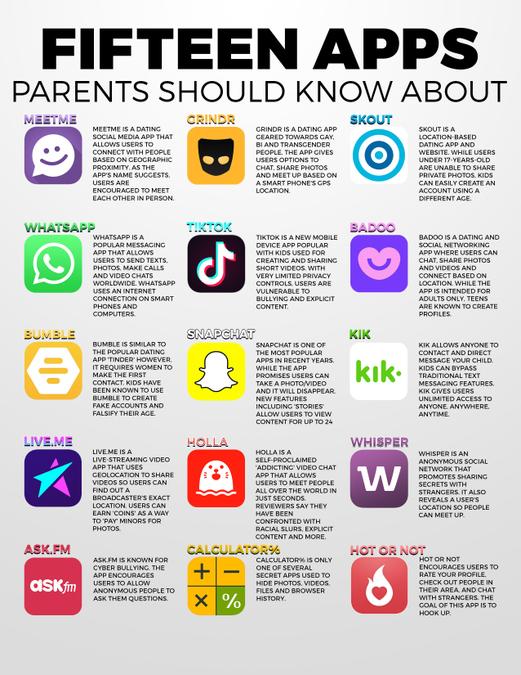
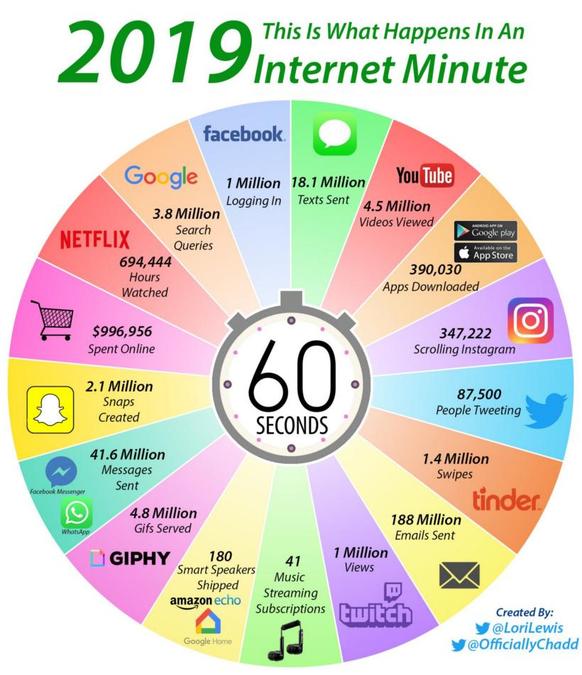
If you are a parent or carer, we hope you will find the web links below useful.
- e-safety advice How to protect your children on a smartphone
- CEOP News and articles surrounding internet safety.
- Think You Know Great advice to keep children safe whilst using the internet.
- Parent Info Expert information to help children and young people stay safe online.
- UK Safer Internet Centre E-safety tips, advice and resources.
- Childnet International Parents and Carers information to keep your child safe online.
- NSPCC Online Safety Helpful advice and tools you can use to help keep your child safe whenever and wherever they go online.
Bullying
What is bullying?
It is the willful, conscious desire to hurt, threaten or frighten someone.
Bullying is a complex problem, which arises in some form or other in all schools. The extent of the problem depends on many aspects such as:
- locality / social problems,
- school atmosphere and ethos,
- staff awareness,
- pupils reaction,
The Elements of Bullying
1. The Nature of Bullying
Physical or verbal e.g. physical assault, name-calling, teasing, taunting, rude gestures, intimidation.
2. The Severity of Bullying.
This can range from just teasing to vicious assault.
3. The Frequency of Bullying.
Bullying can take place several times a week or day.
It can go on for months and even years.
4. The Motivation of Bullies.
The bully gets pleasure from other children’s pain, fear and humiliation.
With young children, the following distinctions must be made: –
- Bullying or Bossiness.
- Bullying or Boisterous play.